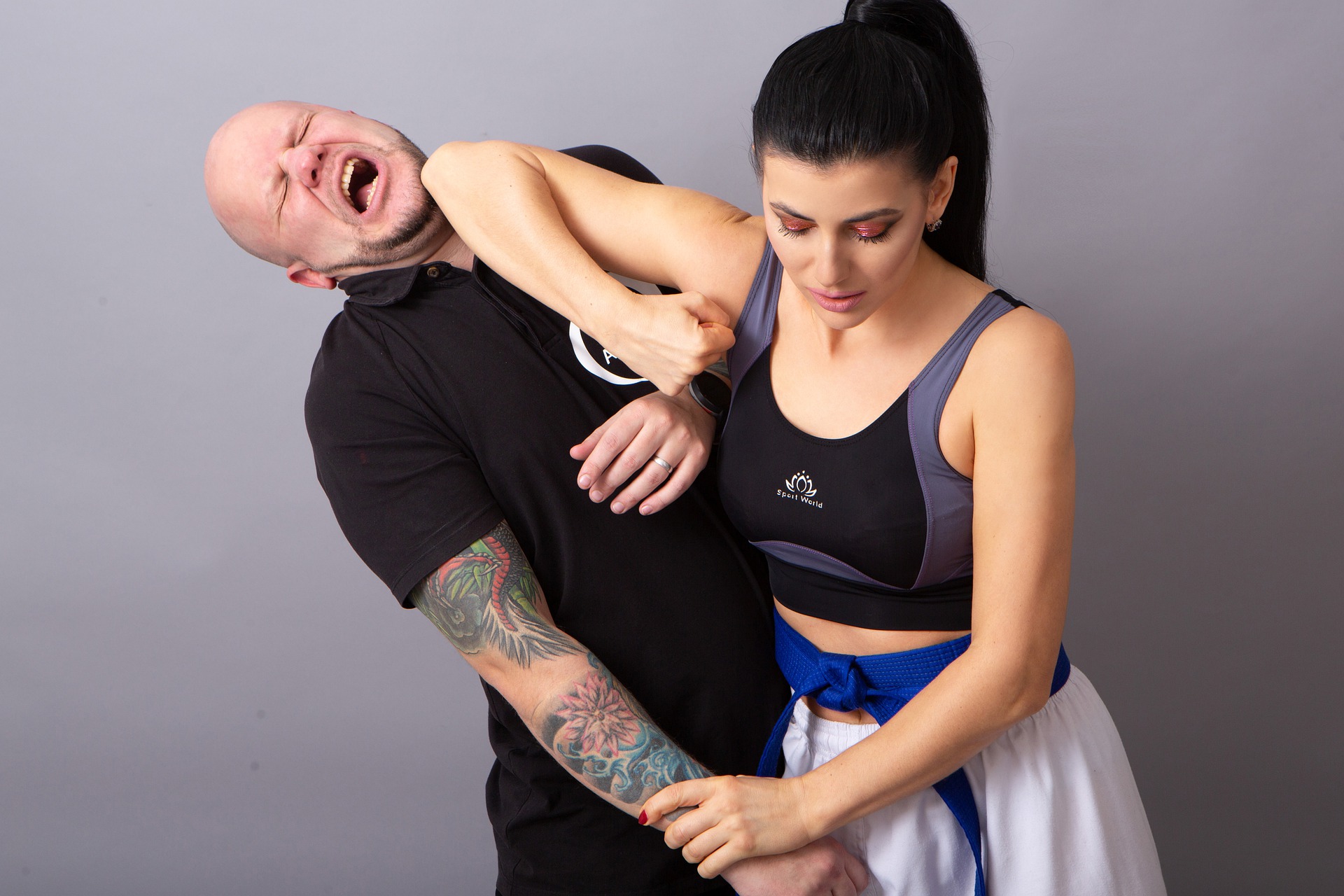
Every martial arts instructor has heard it: “What if the bad guy does this?” or “What if he counters that move?” These “What If” questions are inevitable and natural. They reflect curiosity, critical thinking, and a desire to understand the real-world application of techniques. However, without the right mindset, they can also become a distraction from what matters most: consistent, progressive training.
Here are three truths to keep in mind when grappling with the “What If” dilemma.
1. Repetition Builds Foundation
Before you can adapt, you must internalize the information. The first step to answering any “what if” scenario is to master the basics. Practice your techniques repeatedly until they become second nature. Work with a partner. Feel the timing, the angles, the resistance. Each repetition builds neural and muscular patterns you can rely on under pressure.
Without that foundation, it doesn’t matter what your opponent does—your reactions will be slow, clumsy, or frozen in hesitation. Only through repetition do your techniques become reliable tools rather than memorized routines.
2. Adaptation Comes From Familiarity
Yes, eventually you’ll need to adjust and flow when things don’t go as planned—and they won’t. That’s the purpose of drills like sparring, scenario training, and pressure testing. But you can’t skip the fundamentals and jump straight to improvisation.
Real adaptability is born from familiarity. Once you know the core technique so well that you can execute it without thinking, you’re free to make micro-adjustments based on what your partner is doing. That’s when the real magic begins.
3. No Confrontation Is Ever Perfect
Nothing we train in class will unfold in reality exactly as we practice it. Real altercations are messy, unpredictable, and dynamic. The techniques we teach are tools, not scripts. They prepare you for possibilities, not guarantees.
That’s why we train hard. That’s why we drill the same movement a hundred times. That’s why we study multiple responses to similar threats. You’re not memorizing one perfect answer—you’re building a vocabulary of movement and mindset you can draw upon under stress.
So the next time you hear (or ask) the “What If?“ question, pause and remember: it’s not about finding a perfect response to every hypothetical situation. It’s about training with enough consistency, depth, and awareness that your body and mind can respond to anything, even the unexpected.
Train with focus. Trust your foundation. And let the “what ifs“ become your fuel, not your fear.